THE SOLAR SYSTEM
Tilda Publishing
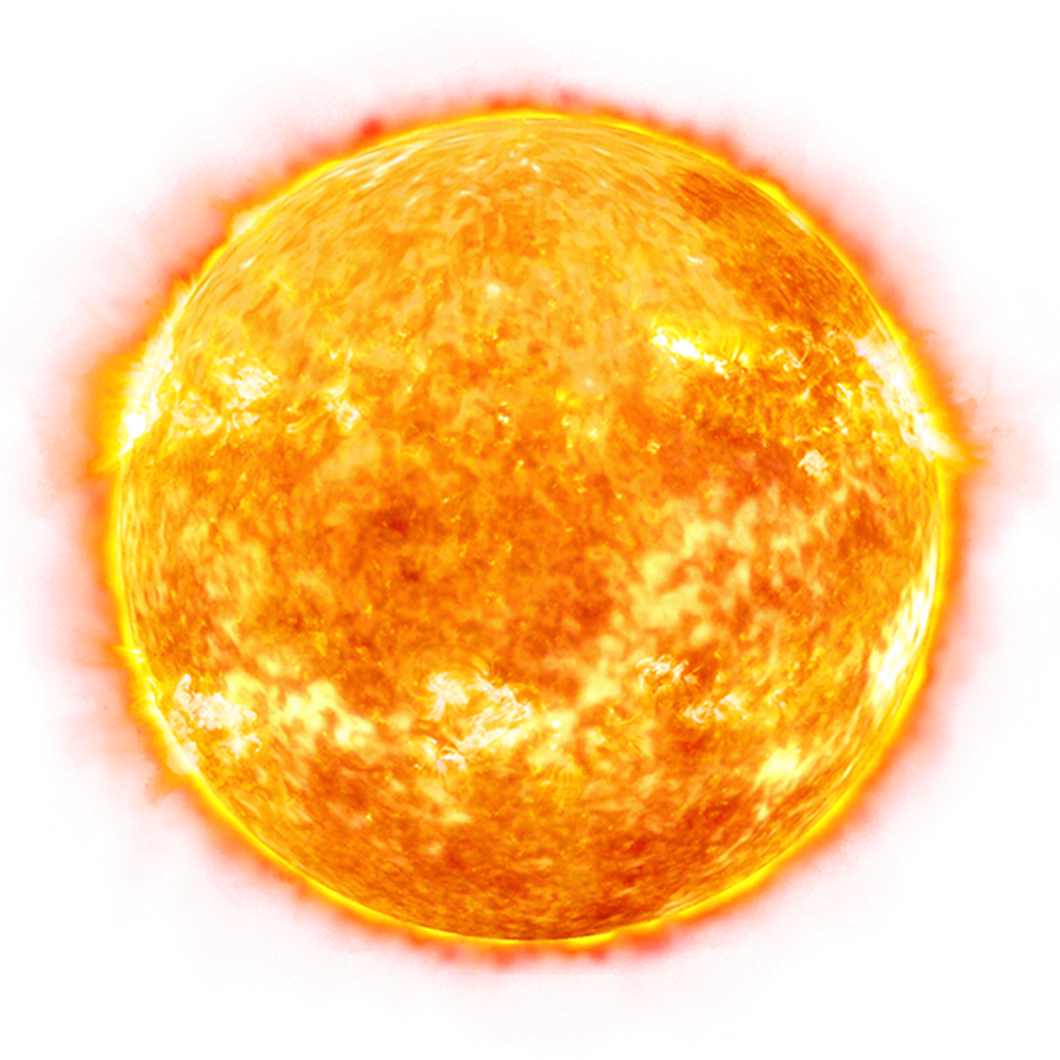
The Sun is one of the stars in our Galaxy and the only star in the Solar System. Other objects of this system revolve around the Sun: planets and their satellites, dwarf planets and their satellites, asteroids, meteoroids, comets and cosmic dust.
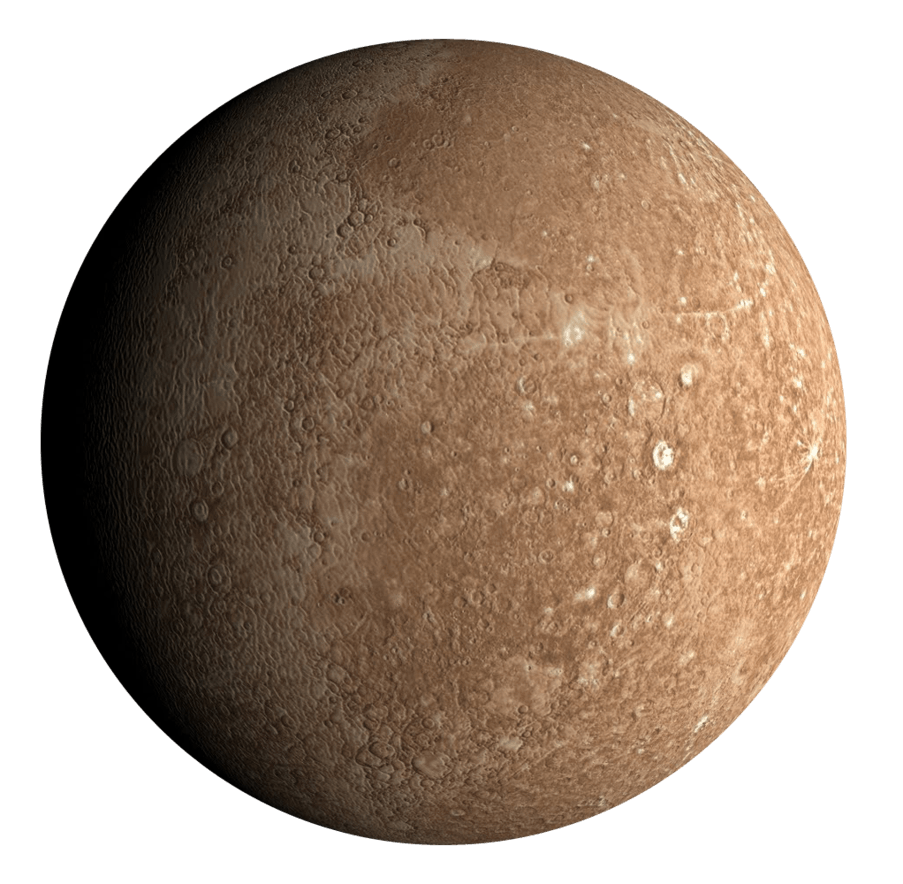
Mercury is the closest planet to the Sun in the solar system, the smallest of the terrestrial planets. Named after the ancient Roman god of commerce - fast Mercury, as it moves across the sky faster than other planets.
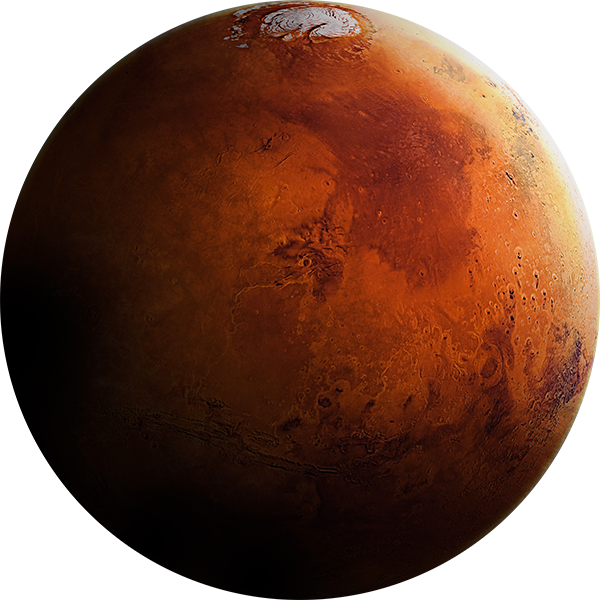
Mars is the fourth most distant from the Sun and the seventh largest planet in the Solar System; the mass of the planet is 10.7% of the mass of the Earth.
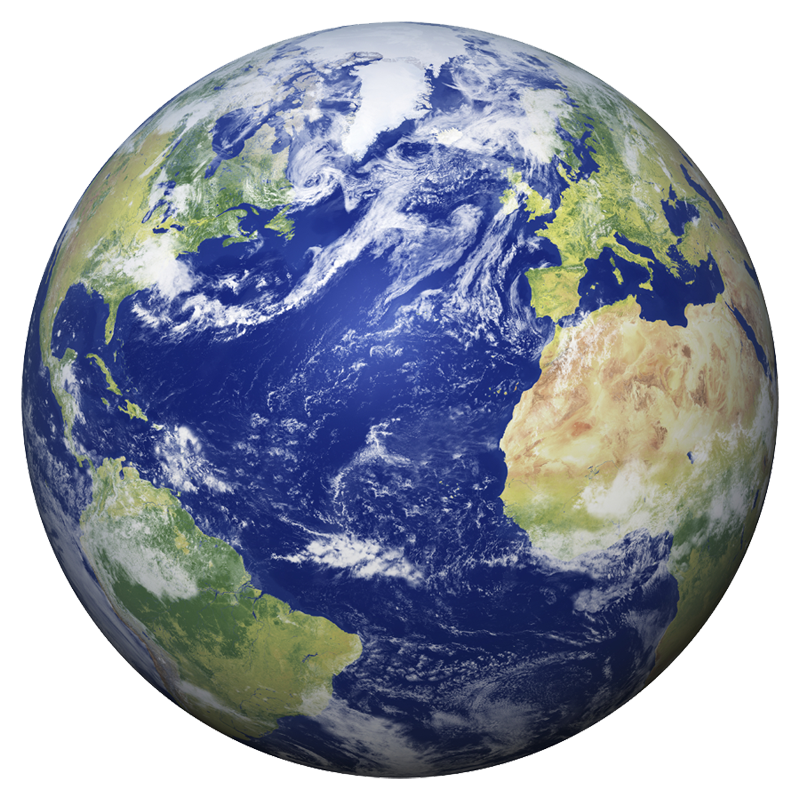
The Earth is the third planet in the solar system in terms of distance from the Sun. The densest, the fifth in diameter and mass among all the planets and the largest among the terrestrial planets, which also includes Mercury, Venus and Mars.
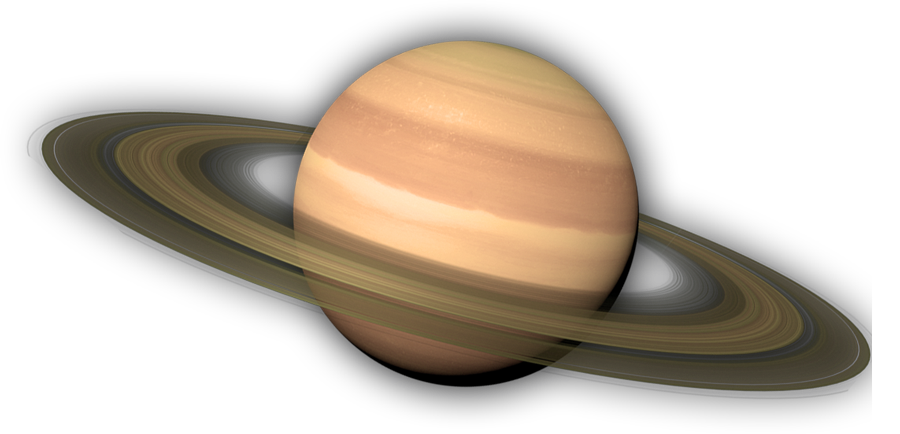
Saturn is the sixth planet from the Sun and the second largest planet in the Solar System after Jupiter. Saturn, as well as Jupiter, Uranus and Neptune, are classified as giant planets. Saturn is named after the Roman god of agriculture. The symbol of Saturn is a sickle.
